10/29/2025
Each year, about 800,000 people in the United States have a stroke. Stroke is the fifth-leading cause of death and a leading cause of serious, long-term disability in the U.S., despite stroke being largely preventable, treatable and beatable.
A stroke occurs when a blood vessel that carries oxygen and nutrients to the brain is either blocked by a clot or ruptures. When that happens, part of the brain can’t get the blood (and oxygen) it needs, and brain cells die.
Strokes can strike anyone, regardless of age or background, and can result in long-term disability or even death. Yet, despite their prevalence, most adults in the U.S. don’t know the warning signs and symptoms of a stroke.
October 29 is World Stroke Day. It is a reminder to raise awareness about stroke, its symptoms and prevention.
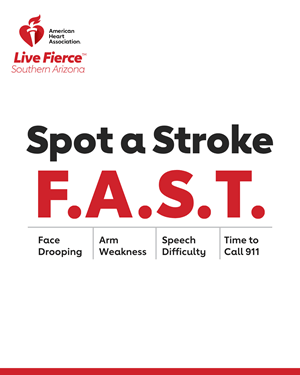
Recognizing stroke symptoms quickly can save a life. Learn the F.A.S.T. warning signs:
The good news is that stroke is largely treatable and beatable if medical help is sought right away. Calling 911 as soon as symptoms appear is critical. The faster a stroke is treated, the greater the chance for recovery.
High blood pressure is the leading risk factor for stroke, according to the 2025 Guideline for the Management of High Blood Pressure in Adults. High blood pressure adds to your heart’s workload and damages your arteries and organs over time. Compared with people whose blood pressure is normal, people with high blood pressure are more likely to have a stroke.
Lowering your blood pressure can help reduce your risk of stroke. You should have your blood pressure checked regularly. This includes people in all age groups: children, young adults, adults and older adults. If you are diagnosed with high blood pressure, follow your health care provider’s recommendations for managing it.
You can start taking steps today to be healthier and reduce your risk of a first stroke.
By making these lifestyle changes and staying proactive about your health, you can help reduce your risk of stroke and improve your overall well-being. Small steps taken today can lead to a healthier tomorrow.
 Member Portal