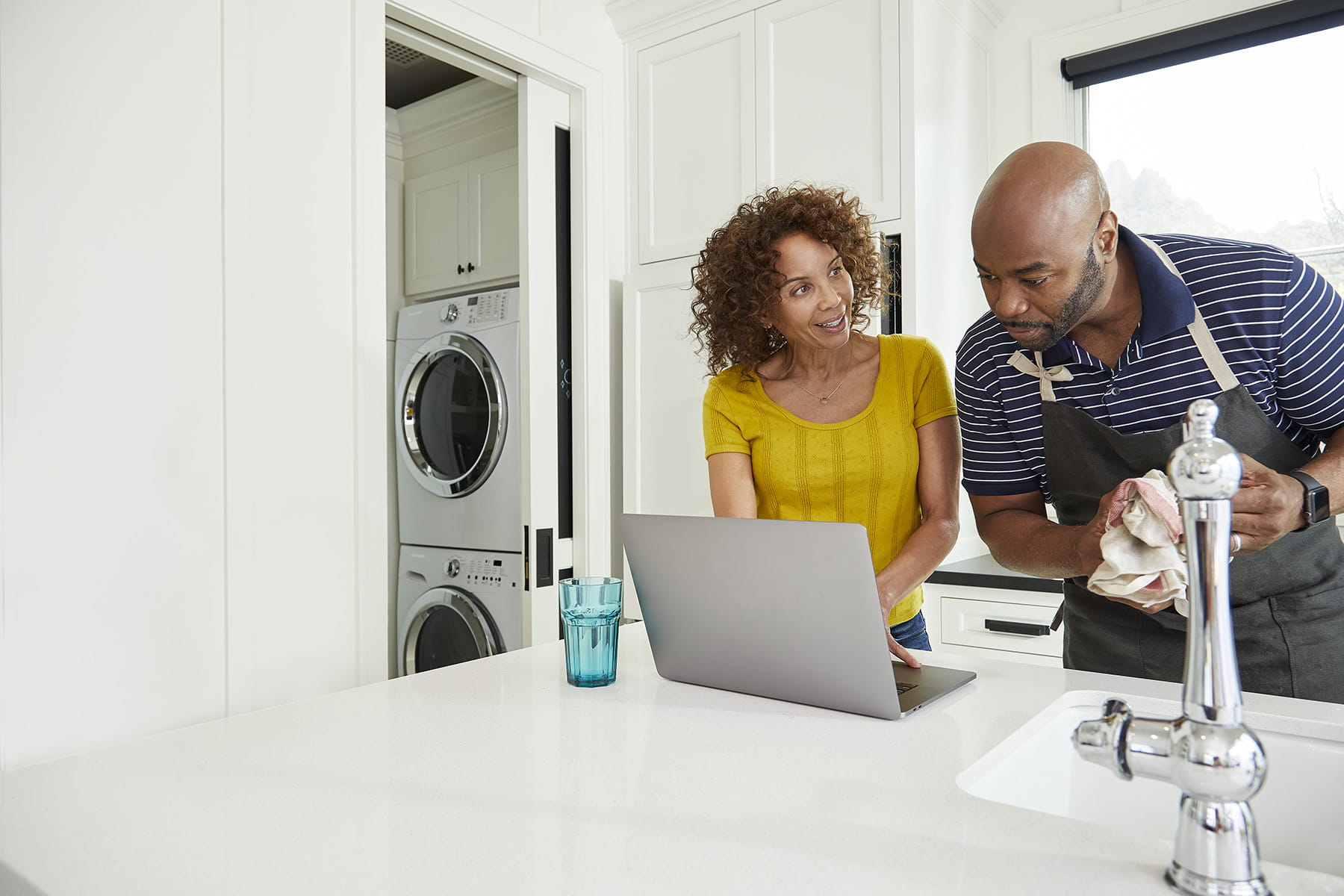
La tecnología ha hecho que sea más fácil que nunca controlar la salud en casa. Tanto si padece una enfermedad crónica como si simplemente quiere ser proactivo, contar con las herramientas adecuadas puede ayudarle a realizar un seguimiento de las métricas de salud clave y detectar posibles problemas de forma temprana. A continuación, se indican siete dispositivos esenciales para controlar la salud.
1. Monitor de presión sangre
Si tiene presión sangre alta o está en riesgo de sufrir hipertensión, es fundamental contar con un sangre doméstico. Realizar un seguimiento regular de sus lecturas puede ayudarle a usted y a su doctor a controlar su salud cardíaca y detectar tendencias preocupantes. Muchos tensiómetros modernos se conectan a aplicaciones de teléfonos inteligentes, lo que facilita el almacenamiento y el intercambio de datos.
2. Báscula digital
El seguimiento del peso puede ayudar a controlar el progreso físico, controlar enfermedades crónicas y detectar cambios repentinos que pueden indicar problemas de salud. Las básculas inteligentes van más allá del peso, ya que ofrecen información sobre el porcentaje de grasa corporal, la masa muscular e incluso la frecuencia cardíaca. Para obtener resultados más precisos, pésese a la misma hora cada semana con la misma báscula.
3. Termómetro
Un termómetro es imprescindible para controlar la fiebre y detectar infecciones de forma temprana. Los modelos digitales e infrarrojos actuales proporcionan lecturas rápidas y precisas sin molestias. Algunos incluso se sincronizan con aplicaciones para realizar un seguimiento de las tendencias de temperatura, lo que facilita el seguimiento de la progresión de la enfermedad, especialmente en el caso de niños y adultos mayores.
4. Oxímetro de pulso
Un oxímetro de pulso mide la saturación de oxígeno (SpO2) y la frecuencia cardíaca, lo que ayuda a detectar posibles problemas respiratorios. Esta herramienta es especialmente útil para personas con asma, EPOC, apnea del sueño o que se están recuperando de una enfermedad. Si sus niveles de oxígeno caen por debajo de lo normal , puede ser una señal de que debe buscar atención médica.
5. Monitor continuo de glucosa (MCG) o glucómetro
Para las personas con diabetes o que controlan las tendencias de azúcar en sangre , un CGM o glucómetro tradicional es esencial. Un CGM proporciona datos en tiempo real con un mínimo de pinchazos en el dedo, mientras que un glucómetro estándar es una opción asequible para controles periódicos. El seguimiento de los niveles de glucosa ayuda a controlar la diabetes y puede ofrecer información sobre las opciones de dieta y estilo de vida.
6. Reloj inteligente con seguimiento de la salud
Los relojes inteligentes modernos ofrecen información valiosa sobre la salud, más allá del seguimiento de los pasos. Muchos modelos miden ahora la frecuencia cardíaca, los niveles de oxígeno en sangre , los patrones de sueño, los niveles de estrés e incluso realizan electrocardiogramas (ECG). Si bien no son tan precisos como los dispositivos de grado médico, brindan un monitoreo continuo que puede ayudar a identificar patrones y posibles problemas de salud.
7. Monitor de calidad del aire
La calidad del aire interior juega un papel importante en la salud respiratoria, especialmente para quienes padecen asma, alergias u otras afecciones pulmonares. Los monitores de calidad del aire rastrean los niveles de contaminantes, humedad y dióxido de carbono, lo que lo ayuda a ajustar el entorno de su hogar para una mejor respiración y bienestar general.
Manténgase informado, pero consulte con su doctor.
Tener estas herramientas de salud en casa le permite monitorear los cambios y detectar posibles problemas de manera temprana. Sin embargo, deben complementar, no reemplazar, los controles regulares con su proveedor de atención médica. Si nota lecturas o síntomas inusuales, programe una cita con su doctor.
Lectura recomendada
- La forma correcta de tomar la presión sangre en casa
- Por qué deberías controlar estos 5 signos vitales importantes en casa
- Cómo aprovechar al máximo su tecnología portátil
El contenido de este artículo se actualizó el 6 de febrero de 2025.